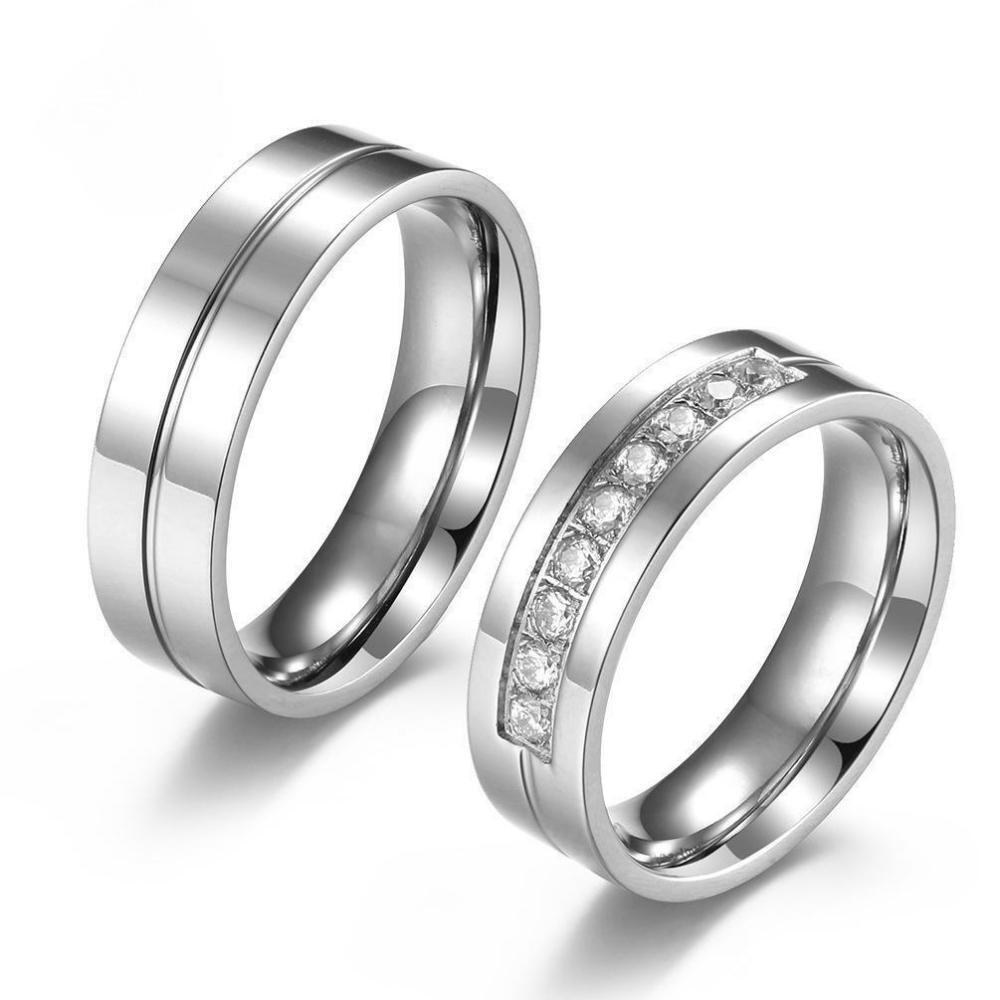
Alexandrite, one of the world's most beautiful gemstones, is renowned for changing color according to the light. Gem enthusiasts, jewelers and spiritual seeker alike are drawn to this rare stone, which is described as being "emerald in the daylight, ruby at dusk". What is the meaning of alexandrite? We will examine the meaning of alexandrite, its history and physical properties. We'll also discuss the symbolic significance. If you're interested in the alexandrite stone meaning, or if you want to use it as a piece jewelry, then this matching rings article is for you.
The name Alexandrite is derived from its discovery by Russian scientists in the 19th Century. Since then, it has become a sign of balance, transformation and good luck. Its color-changing property, known as the alexandrite effect, mirrors life's dualities--representing harmony between the physical and spiritual realms. Alexandrite is a gemstone associated with 55th wedding anniversary and June's birthstone. It has deep cultural and emotional significance. Let's explore the special qualities of this gemstone.
matching jewelry History
The history of alexandrite began in Russia's Ural Mountains during the 1830s. It was initially mistaken for emerald by miners due to the greenish hue it had in daylight. But under candlelight, its vibrant red color appeared. It was discovered on the same day as Tsar Alexander's birthday, which led to the gem's name. Russian nobility embraced alexandrite, which they incorporated into jewelry and royal items as a symbol for imperial power and fortune.
During Russia's Revolution, the supply of alexandrite decreased, which made it even more rare. Today, deposits of alexandrite are found in Brazil and Sri Lanka. They can also be found in East Africa and India. But Russian alexandrite still remains the most valuable because of its vibrant color. The gemstone's historic ties with royalty have cemented it as a gem of prestige and durability. Early 20th-century synthetic versions appeared, but the natural alexandrite, which is rarer than a diamond, continues to drive its price.
This historical context enhances the alexandrite's meaning, linking it with adaptability through turbulent times. To collectors, holding an alexandrite piece is like holding part of history. The opulence associated with czarist Russia and the symbolism of personal evolution are all evoked.
Alexandrite: Physical Properties
Alexandrite, also known as chrysoberyl or beryllium-aluminum oxide mineral, is colored by traces of chrome. The Mohs hardness rating is 8.5. It's durable and suitable for everyday wear. However, it is not as tough as sapphires or diamonds. Its refractive indices range from 1.746 - 1.755 and contribute to its brilliant shine.
Its most distinctive feature is its pleochroism. The stone changes color depending on the lighting. It appears green, but under fluorescent or daylight light it becomes bluish. When lit by incandescent lights, it becomes reddish or orange. This "alexandrite-effect" is due in part to the different ways chromium ions can absorb light.
Chemically, the formula for alexandrite (BeAl2O4) is BeAl2O4, but with some aluminum replaced by chromium. The best specimens will show a 100 percent color change. However, most of them only display 50 to 80%. Clarity also plays a role. Rutile needles and other inclusions that create cat's eye effects can be valuable. Alexandrite usually forms in metamorphic rocks or pegmatite. Its crystal structure is orthorhombic.
Alexandrite is a fascinating stone for gemologists. Its density (3.69-3.81 g/cm3), toughness and durability make it a good choice for rings and pendants. But buyers should check certifications from labs such as GIA so they can tell the difference between natural and lab-grown stones.
Alexandrite Symbolism and Spiritual Meanings
What does the word alexandrite really mean? The symbolism of alexandrite is profound. Alexandrite represents balance and transformation, mirrored by its ability to change color. It's seen as a bridge connecting the heart (green), and passion (red), encouraging emotional harmony and self confidence. In metaphysical practices, alexandrite is believed to enhance intuition, creativity, and joy, making it ideal for meditation or chakra alignment--particularly the heart and crown chakras.
Astrologically speaking, alexandrite is associated with Gemini and Scorpio. This stone represents duality and mystique. It is a protective talisman for Cancer zodiac signs that brings love and luck. The gem chosen for the 55th wedding anniversary symbolizes lasting relationships and renewal. Some cultures consider it to be a harbinger for good fortune. Legends say it repels negativity and brings prosperity.
In crystal healing, it is believed that alexandrite promotes physical renewal. This includes boosting energy and helping to recover from illness. It's linked to the nervous system and helps reduce stress. Spiritually, alexandrite encourages growth and reminds one to embrace the change that is part of wisdom.
It was also known in Russian folklore as "the widow's stone", due to the reddish hue that evoked bloodshed and wartime loss. But it also represented hope and resilience. The meaning of alexandrite has changed to one that emphasizes positivity. This makes it popular among people who seek balance in today's fast-paced environment.
Alexandrite for Jewelry and Modern Uses
Alexandrite's versatility is evident in the design of jewelry. Its ability to change color is perfect for engagement ring settings, as it symbolizes love's evolution. Setting options include vintage-inspired pieces or vintage solitaire rings. When combined with diamonds or gems of other colors, alexandrite can be used to create earrings, necklaces and bracelets that are unique.
In the modern world, alexandrite has many uses beyond decoration. Synthetic alexandrites are used in laser technology to create tunable lasers that can be tailored for medical or scientific purposes, by leveraging their optical property. In personal healing, alexandrite crystals are worn as pendants for emotional balance, or placed in the home to attract positive energy.
When choosing alexandrite jewellery, take into consideration the 4Cs. Color (strong color change is preferred), clarity, cut, (often cushion or oval to maximize play of light), and carat. Prices for top-quality alexandrite stones range from $1,000 per carat to $50,000 or more, depending on the quality of the stone and its color shift.
Alexandrite is often found in luxury collections. The lab-created version of alexandrite, which is similar in aesthetics but more affordable, offers a good alternative for everyday wear. However, purists still prefer natural specimens because of their energetic properties.
Alexandrite: How to care for it
Despite its hardness alexandrite needs to be maintained properly in order to keep its luster. It should be cleaned with warm, soapy water using a soft bristle brush. Do not use harsh chemicals or ultrasonic cleaning products that can damage the surface. It is best to store it separately from other gems, such as diamonds, in order to avoid scratching.
To maintain the color change of alexandrite, avoid prolonged exposure to sunlight or extreme heat, as these can fade its colors over time. Regular inspections by professionals ensure that the settings of rings are secure. This is especially important for those exposed to daily wear.
To recharge the energy of alexandrite, it is recommended that spiritual users clean their stones under moonlight. It not only enhances the stone's symbolic power, but it also keeps it physically pristine.
Alexandrite Rings Symbolism and Beauty
Alexandrite jewelry is a great choice for those who are looking for something unique and meaningful. The ability of this gemstone to change color, from green or red depending on how the light hits it, represents transformation and balance. It is therefore a perfect choice for special occasion rings such as engagement rings.
The alexandrite is a rare stone with mesmerizing properties that change color. This ring has a lot of personal meaning and can be an eye-catching piece. A birthstone for the month of June, its symbolism, and its association with a 55th wedding anniversary adds to this ring's meaning. It is a perfect gift for any milestone or anniversary.
The gemstone is usually paired with other stones or diamonds to create a contrast and enhance its natural beauty. As alexandrite is so versatile, it can be set in many different styles. These range from vintage-inspired halo setting to classic solitaires.
Aside from its beauty, an alexandrite is said to enhance personal growth, emotional harmony and balance in life. A ring made of alexandrite will remain a treasured piece for years.
Alexandrite Meaning: Embrace it!
What is alexandrite? The gemstone has a profound depth, symbolizing luck, transformation, and equilibrium. It also boasts a rich and unique history. Alexandrite is a gemstone that continues to fascinate, whether it's because of its Russian roots or its use as a healing stone and jewelry. If you are drawn to stones which tell a tale, alexandrite is for you. Explore the meanings of this gem and consider adding it to your collection.