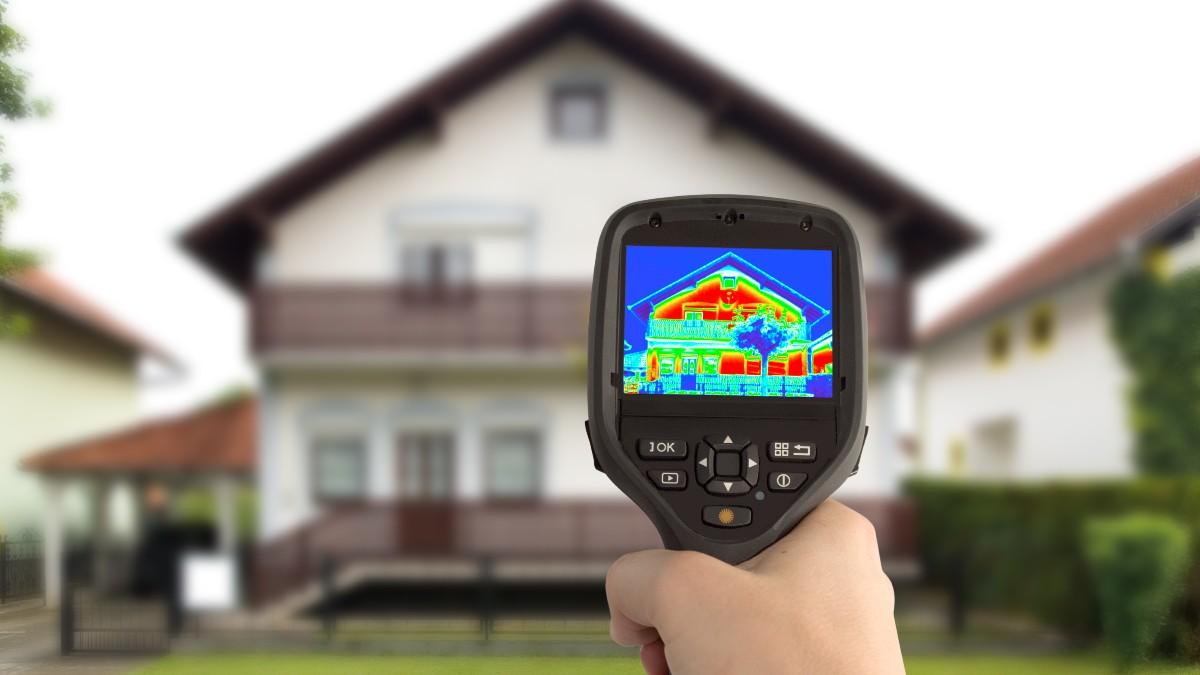
The Infrared Detector Market Share landscape is shaped by a split between high-value defense programs and high-volume commercial adoption. Defense and aerospace contracts often drive significant revenue share due to demand for cooled detectors with high sensitivity and long-range performance. These programs typically involve strict qualification, long procurement cycles, and export controls, which can concentrate share among a smaller group of approved suppliers. In commercial markets, uncooled microbolometers dominate volume through handheld thermal cameras, building inspection tools, and fixed security systems. As uncooled sensors improve in resolution and cost declines, their adoption expands into more applications, influencing market share toward suppliers with high-volume manufacturing capability. Industrial predictive maintenance demand also affects share, as enterprises deploy thermal tools widely across plants and electrical infrastructure. Automotive and robotics adoption could further shift share if compact thermal modules become standard in safety and perception systems, creating new high-volume segments beyond traditional defense and inspection markets.
Supplier share is influenced by manufacturing complexity and supply chain control. Cooled detector suppliers often rely on specialized materials, packaging, and cryocooler integration, creating high barriers to entry. Those with proven reliability and consistent performance can secure long-term programs. Uncooled suppliers compete on cost, yield, and sensor performance metrics such as NETD and pixel pitch. Integration ecosystems also influence share. Vendors that provide detector cores, optics compatibility, and software SDKs enable faster product development for camera manufacturers and integrators, increasing adoption. In industrial markets, vendors that bundle analytics, calibration tools, and reporting features can increase share by delivering complete solutions rather than components. Service networks matter as well; customers need calibration, repair, and lifecycle support, especially for high-accuracy temperature measurement. Regional policies and local manufacturing can also influence share, particularly in defense procurement where sovereign supply chains are prioritized. As a result, market share can be regionally concentrated even when global demand exists. Partnerships with system integrators and OEMs are therefore critical for expanding reach and maintaining share across sectors.
Technology differentiation is increasingly tied to software and integration, not just sensor hardware. Security users care about detection accuracy and false alarm reduction, which depends on analytics and deployment design. Industrial users care about measurement reliability and actionable reporting. Vendors that integrate AI-based anomaly detection and edge processing can capture more share by improving usability. Ruggedization and environmental performance also influence share in field and industrial deployments. Another factor is export regulation, which can limit sales of high-performance detectors and shift market share toward domestic suppliers in certain countries. Price volatility and supply constraints can also change share as buyers diversify suppliers to reduce lead-time risk. In high-volume commercial markets, brand recognition and channel partnerships—tool distributors, safety suppliers, and inspection service providers—also impact share. Vendors that can scale manufacturing while maintaining consistent calibration and quality tend to expand share, particularly as thermal modules are integrated into more devices and platforms.
Future market share shifts may be driven by automotive, robotics, and consumer integration. If thermal sensors become common in driver assistance or autonomous systems, suppliers with automotive-grade quality systems and manufacturing scale could gain substantial share. AI-enabled thermal perception in drones and robots could create new deployment categories with rapid volume growth. In defense, share will remain tied to program wins and qualification, but modernization cycles can create opportunities for new suppliers with improved performance or smaller form factors. Consolidation is possible as large electronics and defense firms acquire niche detector companies to secure supply and expand portfolios. Buyers will increasingly favor suppliers that offer complete platforms: detector cores plus optics, processing, analytics, and lifecycle support. Market share leadership will be determined not only by sensor performance, but by integration readiness, supply reliability, and the ability to deliver consistent outcomes—accurate detection, reliable measurement, and low operational friction—across diverse applications worldwide.
Top Trending Reports:
Government And Security Biometric Market