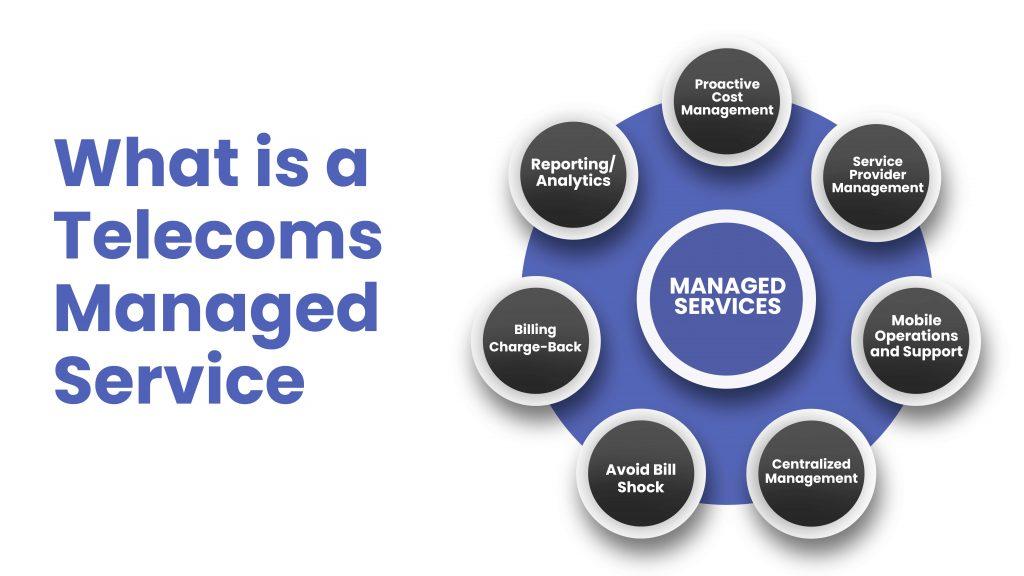
In an era of accelerating digital transformation, the strategic outsourcing of network operations through Telecom Managed Services has become a critical enabler for enterprises seeking to maintain a competitive edge. These services involve delegating the responsibility for monitoring, managing, and maintaining an organization's telecommunications infrastructure to a specialized third-party provider. This allows businesses to offload complex, non-core operational burdens and redirect their internal resources toward innovation and strategic growth initiatives. The Telecom Managed Services Market is Estimated to Grow from USD 46.93 Billion to USD 92.66 Billion by 2035, Reaching at a CAGR of 7.04% During 2025 - 2035. This steady growth underscores the increasing recognition of managed services as a fundamental component of a modern, agile, and cost-effective IT strategy, moving beyond simple cost-cutting to become a true partnership for technological excellence and operational resilience.
The primary value proposition of telecom managed services lies in the immediate access to specialized expertise and advanced technologies that most businesses cannot afford to maintain in-house. Managed Service Providers (MSPs) possess deep knowledge of complex networking technologies like SD-WAN, 5G, and unified communications, along with sophisticated tools for network monitoring and cybersecurity. By partnering with an MSP, companies can ensure their networks are not only running efficiently but are also secure and optimized according to the latest industry best practices. This expertise is crucial for navigating the ever-increasing complexity of the digital landscape, where network performance and security are directly tied to business continuity, customer satisfaction, and overall profitability, making expert management an indispensable asset.
Furthermore, engaging a managed service provider introduces a predictable, operational expenditure (OpEx) model that replaces the need for large, unpredictable capital expenditures (CapEx) on network hardware and personnel. Instead of investing heavily in equipment that will eventually become obsolete and hiring a dedicated team of IT professionals, businesses can pay a consistent monthly fee. This predictable cost structure simplifies budgeting and financial planning, allowing for more strategic allocation of capital. This financial flexibility is particularly beneficial for small and medium-sized enterprises (SMEs) that need access to enterprise-grade network capabilities without the associated high upfront costs, thereby leveling the playing field and enabling them to compete more effectively with larger corporations.
Ultimately, the adoption of telecom managed services is about achieving superior business outcomes. A well-managed network translates into higher uptime, improved application performance, and enhanced security, which collectively contribute to greater employee productivity and a better customer experience. By ensuring the network—the digital backbone of the organization—is robust, reliable, and secure, managed services empower businesses to operate with confidence. This focus on operational excellence allows leadership to concentrate on their core mission, safe in the knowledge that their technological foundation is in the hands of dedicated experts committed to their success, transforming the network from a potential liability into a powerful strategic advantage.
Explore Our Latest Trending Reports:
Business Intelligence Analytics Software Market Share
Chemical Biological Radiological & Nuclear Security Market Share