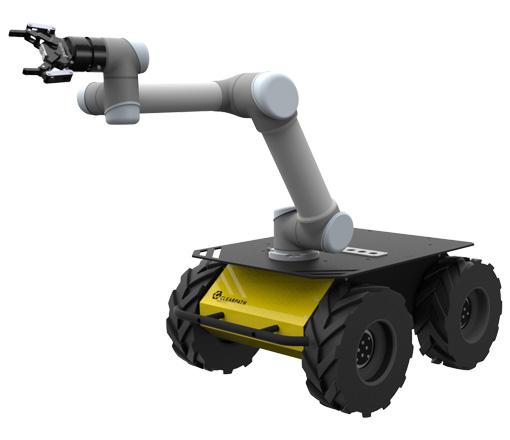
Understanding industry structure provides insights essential for strategic planning and competitive positioning. Autonomous Mobile Manipulator Robots Market Industry Analysis examines the complex ecosystem of participants, relationships, and dynamics shaping market development. Structural analysis reveals opportunities and challenges inherent in current market configurations. The Autonomous Mobile Manipulator Robots Market size is projected to grow USD 5.63 Billion by 2035, exhibiting a CAGR of 25.30% during the forecast period 2025-2035. Industry analysis frameworks enable systematic evaluation of competitive forces and market dynamics. Understanding industry mechanisms supports informed decision-making for market participation strategies effectively. Stakeholders benefit from comprehensive industry analysis informing investment and development priorities. Analytical insights reveal strategic options and competitive positioning opportunities clearly.
Market structure analysis examines the organization and relationships among industry participants comprehensively. Concentration levels indicate competitive intensity and barriers to entry for new participants. Vertical integration patterns reveal value chain control and margin distribution among participants. Horizontal relationships including partnerships and alliances shape competitive dynamics significantly. These structural characteristics influence market behavior and strategic options for participants. Understanding market structure enables effective competitive strategy development and positioning.
Porter's Five Forces framework provides systematic industry competitive analysis approaches. Threat of new entrants evaluates barriers protecting incumbent market positions effectively. Bargaining power of suppliers assesses dependency on component and technology providers. Bargaining power of buyers examines customer negotiating leverage and switching costs. Threat of substitutes considers alternative solutions addressing similar customer needs. Competitive rivalry intensity reflects direct competition among existing market participants. This framework enables comprehensive competitive environment assessment and strategy development.
Value chain analysis identifies activities creating value and opportunities for competitive differentiation. Component manufacturing represents foundational value creation enabling system production. System integration combines components into complete solutions addressing customer requirements. Software development creates intelligence and capabilities differentiating robotic systems. Service provision ensures continued value realization through operation and maintenance support.
Top Trending Reports -
South Korea Security Orchestration Automation And Response Market Size
Spain Security Orchestration Automation And Response Market Size